Handling Conflict During Board Meetings
Keep your board meetings healthy and productive.
Since nonprofit board meetings depend on interaction among people with different values, perspectives, and communication styles, conflict is likely to occur. The impact of this conflict, however, largely depends on how it is handled.
Use these key tips to manage conflict in your board meetings and ensure that all board members can have candid and productive discussions.
How to handle conflict during board meetings
Because meetings depend on interaction among people with different values, perspectives, and communication styles, it is almost inevitable that conflict will sometimes occur. The impact of conflict depends on what the conflict is about, how it is initiated, and how it is managed. Submerged conflict eventually surfaces. When someone raises a seemingly negative point of view, they at least give others a chance to address the issue. When they can’t express differences, people may enter into covert forms of conflict that aren’t readily apparent. Encourage candid discussion. Uncontrolled conflict, however, can lead to hurt feelings, withdrawal, and destruction of the group. Use these tactics to keep conflict healthy and productive.

Ensure that disagreement is expressed sensitively.

Disagree with the idea, don’t criticize the individual.
Respond to disagreement with a spirit of inquiry. Ask for clarification or examples.
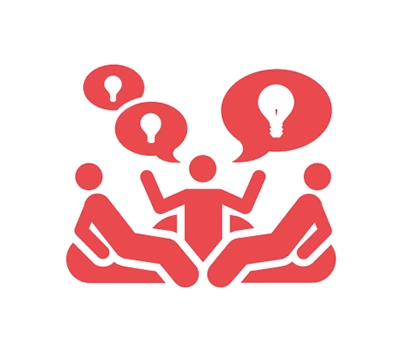
Separate personalities from ideas.

Humor is an effective means of reducing tension.

Focus on commonalities. Point out the similarities between individual perspectives. Let the group know you want to build on those.
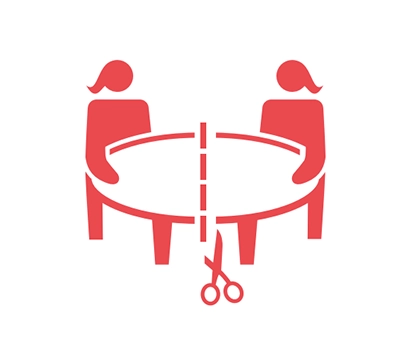
Ask two people who most oppose each other to sit down together and work out a common approach.
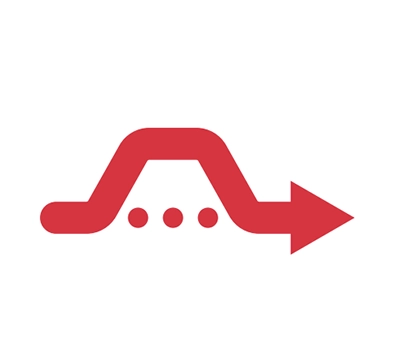
If the board is deeply divided, postpone decision-making. Appoint a task force to work on a proposal to the board. Include all factions on this task force.

101 Resource | Last updated: March 1, 2026